Every project has its jump-scares. For interior design teams working with new home builders and developers, some of the biggest frights aren’t ghosts or chainsaws. They’re the everyday plot twists that turn a smooth install into a horror movie.
These are the moments that make a design team grip the armrests, then figure out how to land the project anyway.
The floor plan rewrite
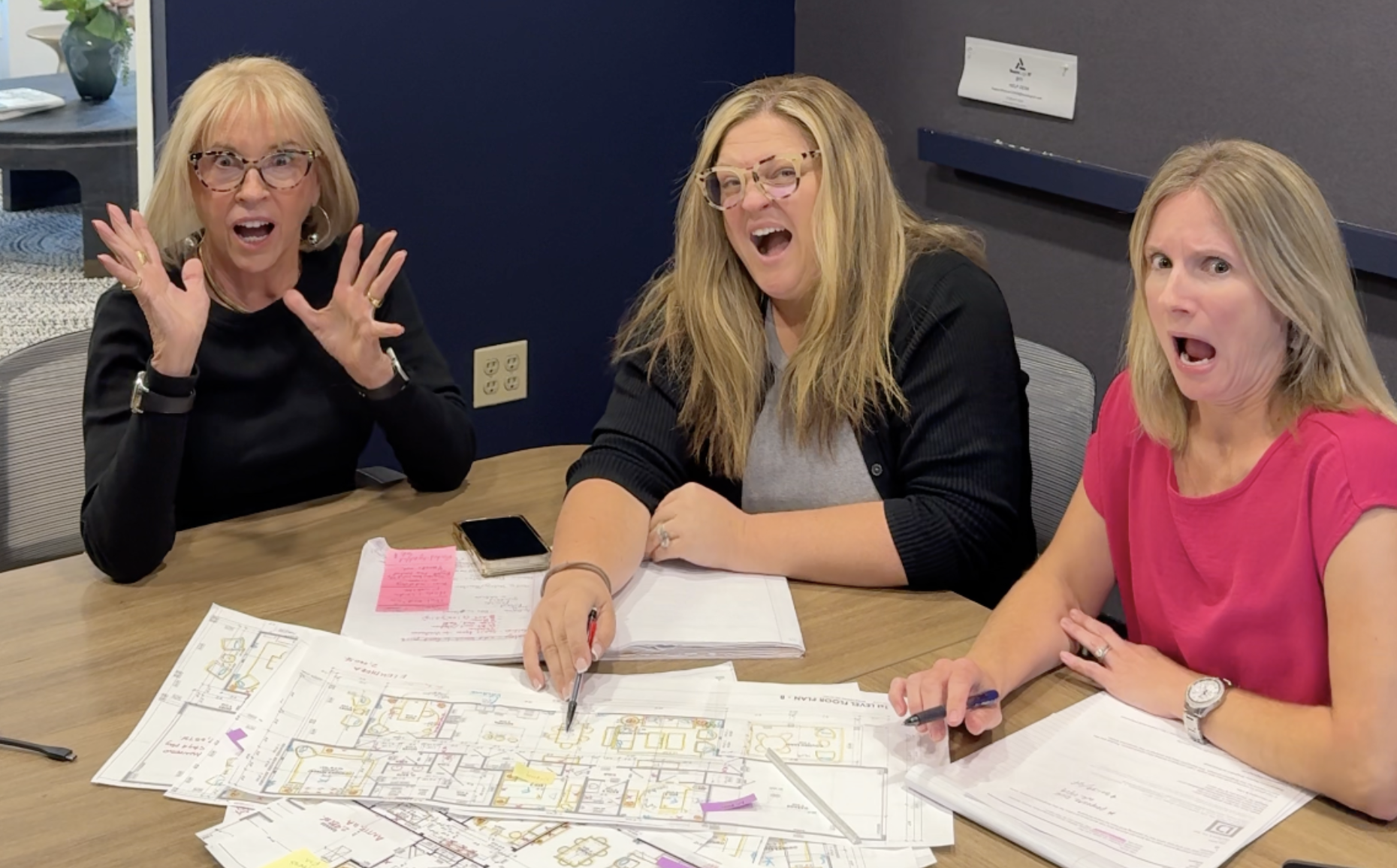
The client wants to switch to an entirely different floor plan. Midstream. Suddenly the kitchen that was carefully specified no longer fits, the lighting plan is wrong, and the furniture layout needs a full redo. It’s the design equivalent of the killer standing up again after the credits roll.
The six-month sofa
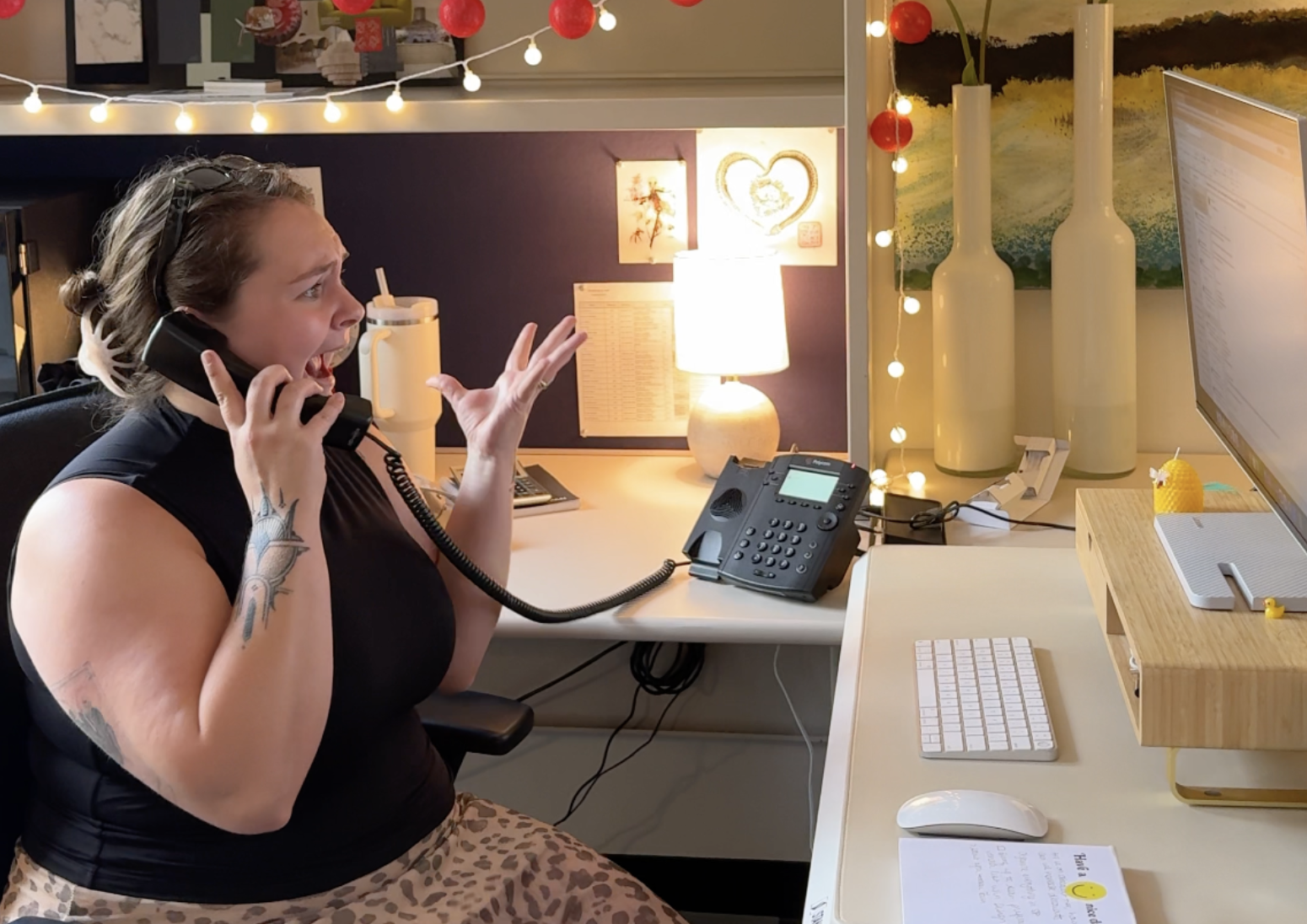
The main sofa is on backorder for six months. The room is finished, the photography is scheduled, and the centerpiece piece of furniture is somewhere on a ship. Or in a warehouse. Or possibly lost at sea. The open concept now has a very large, very empty void.
The four-week install
We need this installed in four weeks. Cabinetry, flooring, lighting, and furnishings all have to land in the same narrow window while other trades are still wrapping up. The calendar looks less like a schedule and more like a countdown clock.
The discontinued backsplash
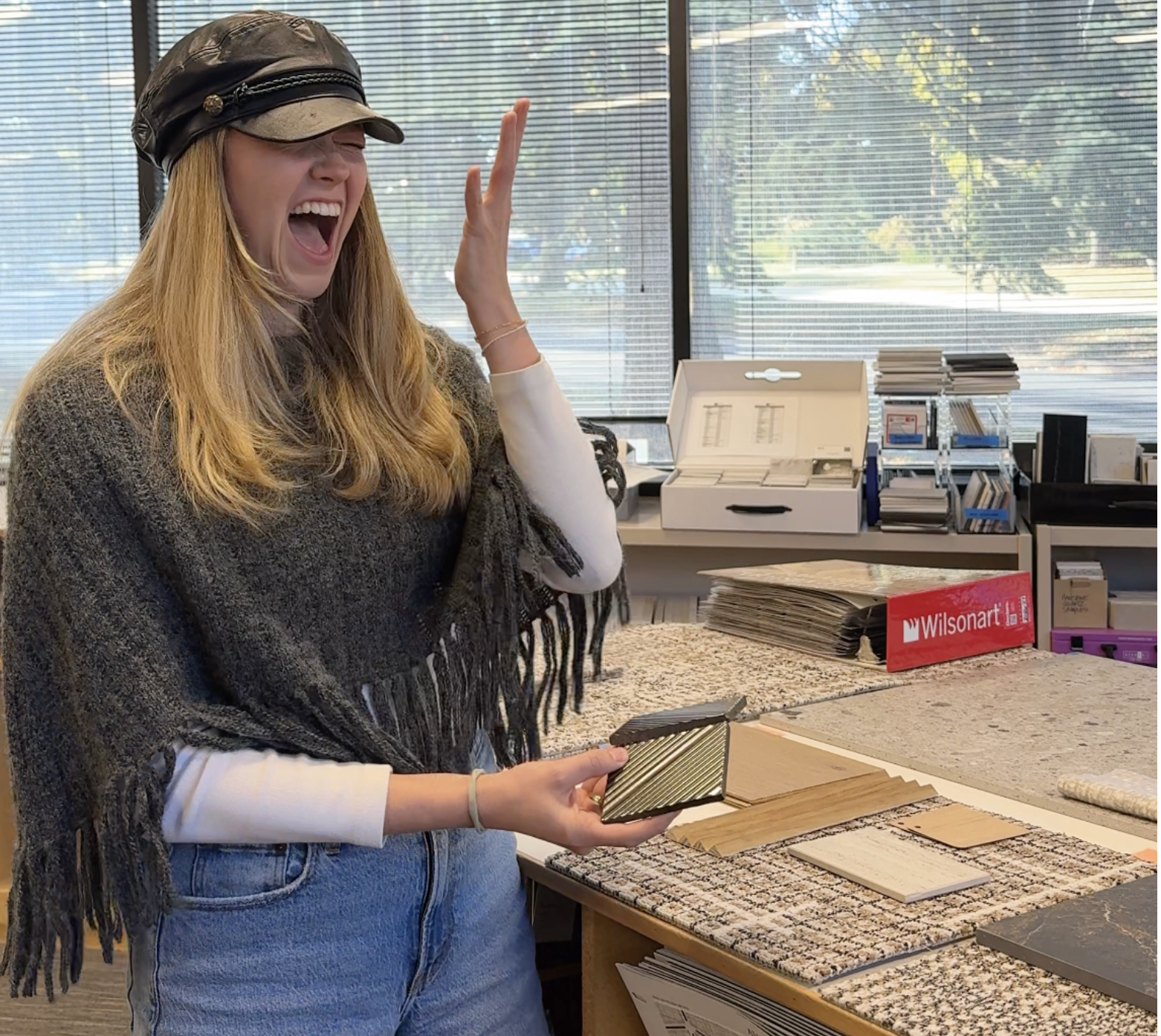
The tile backsplash is discontinued. The sample that sold the kitchen is gone, the alternate options don’t match the stone, and the install date is locked. Designers start measuring leftover pieces and calculating whether a different layout can hide the problem.
The accent color that won’t quit
This accent color is too strong and it’s making us nervous. What looked bold and confident on the sample wall now feels like it might overpower the rest of the home. Everyone stares at the paint can as if it might start moving on its own.
The tracking says delivered
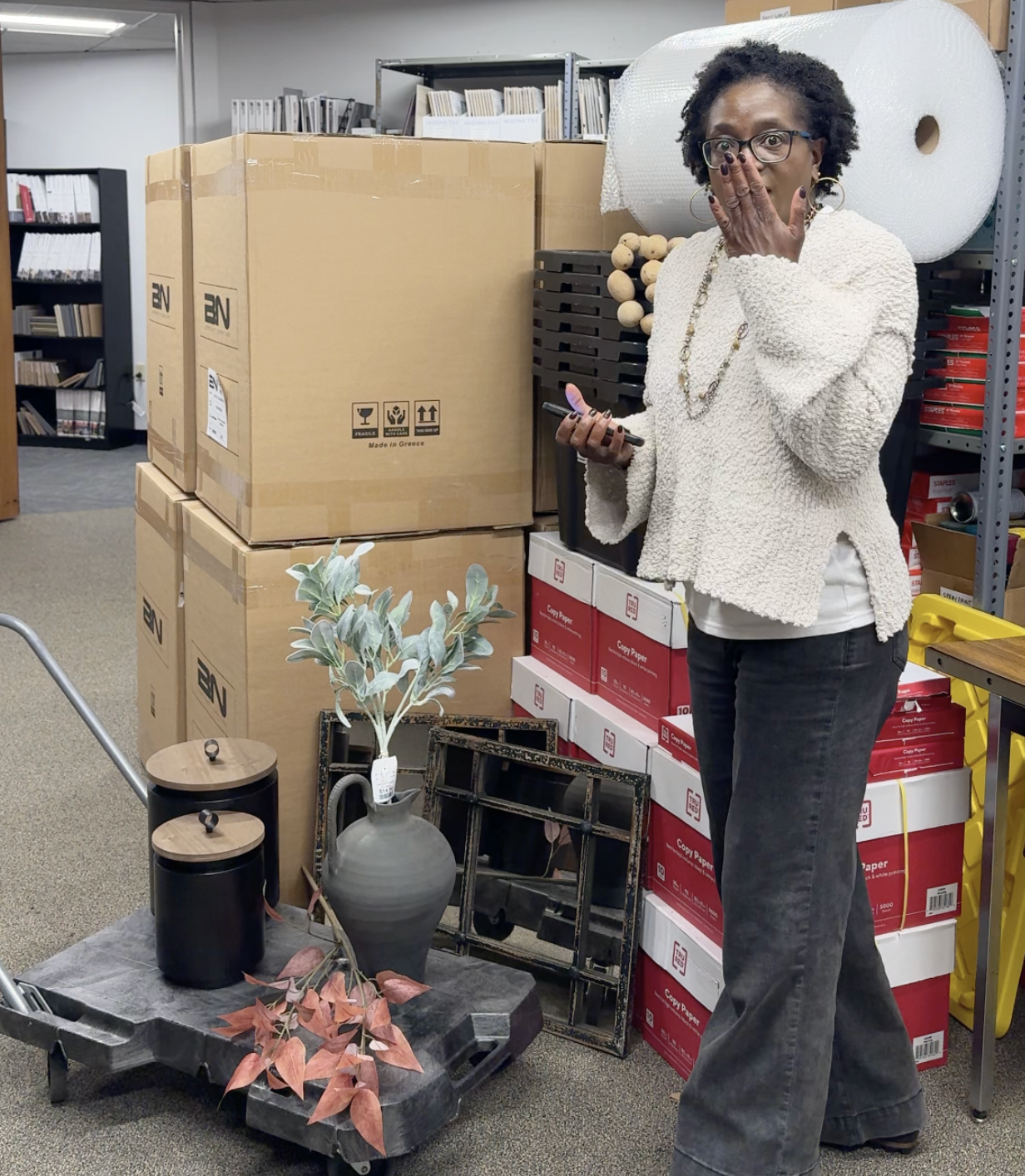
The tracking says it was delivered. The driver photo shows a porch. The item is not on the porch, not in the garage, and not anywhere the team can find. Somewhere between the warehouse and the job site, a key piece has entered a different dimension.
Somehow we always survive
These moments feel dramatic at the time. They also tend to get resolved. A different floor plan becomes a better one. A substitute sofa arrives early. The discontinued tile leads to a custom solution that looks intentional. The four-week install finishes on time because everyone stays in close communication. The accent color gets dialed back just enough. The missing piece is located or replaced before the final walkthrough.
For builders and developers, the practical takeaway is simple. The projects that feel smoothest are usually the ones where the design team is looped in early, specifications are locked with realistic lead times, and there’s a clear path for decisions when something shifts. The horror-movie moments shrink when the collaboration stays tight.
Halloween is a good reminder that the scariest parts of a project are often temporary. The finished homes that come out the other side are the ones that stick. Happy Halloween to the teams who keep finding the exit.