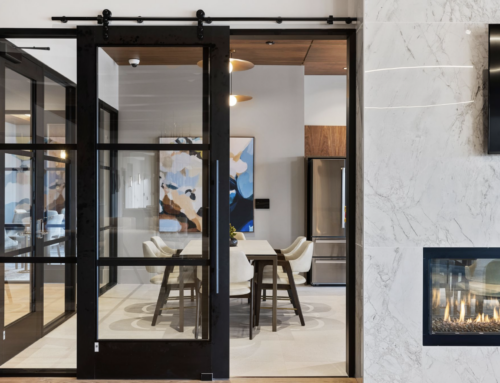
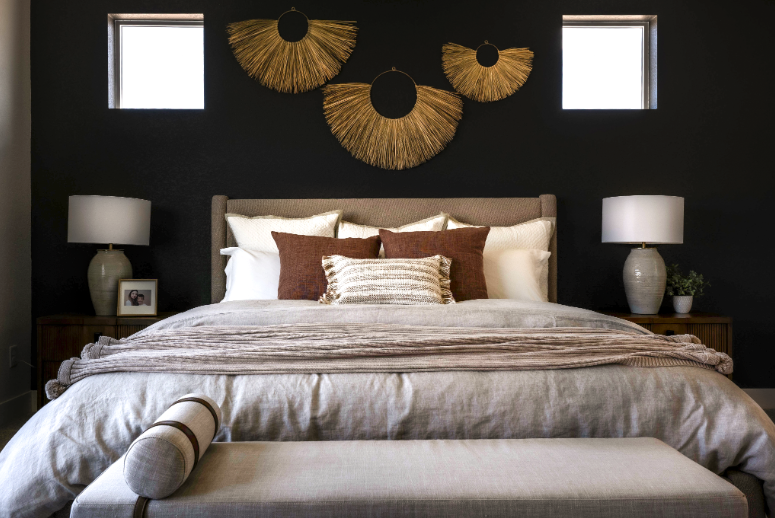
In a challenging housing market, model homes remain one of the most effective sales tools builders have. They let prospects experience the product, feel the lifestyle, and move from interest to decision. Yet getting a model ready, especially on a compressed schedule, can be one of the hardest parts of the job.
That’s exactly the situation Challenger Homes faced at Wolf Ranch in Colorado Springs. What began as a situation where a model wasn’t initially planned quickly became a priority. The need to get a model home in front of buyers couldn’t wait for perfect conditions. The project had to be completed in three to four weeks, with limited opportunity for the usual selection process.
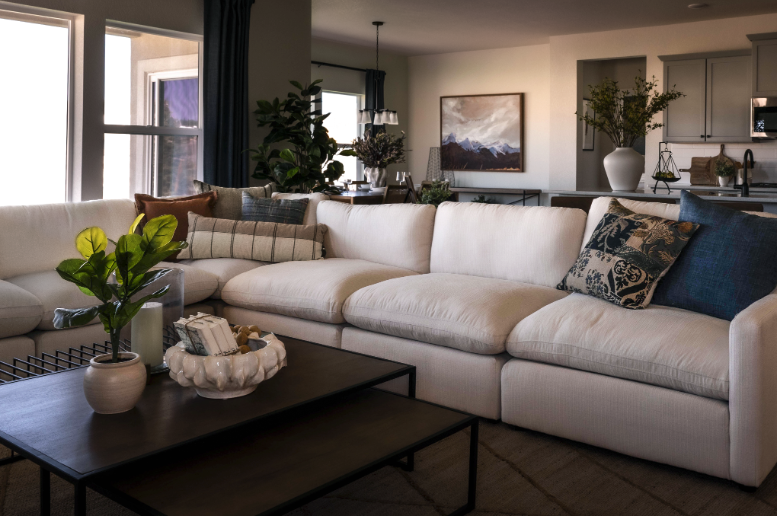
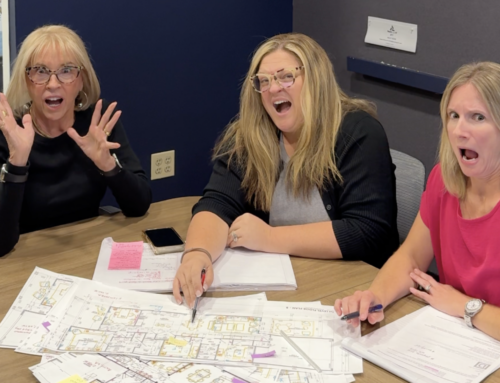
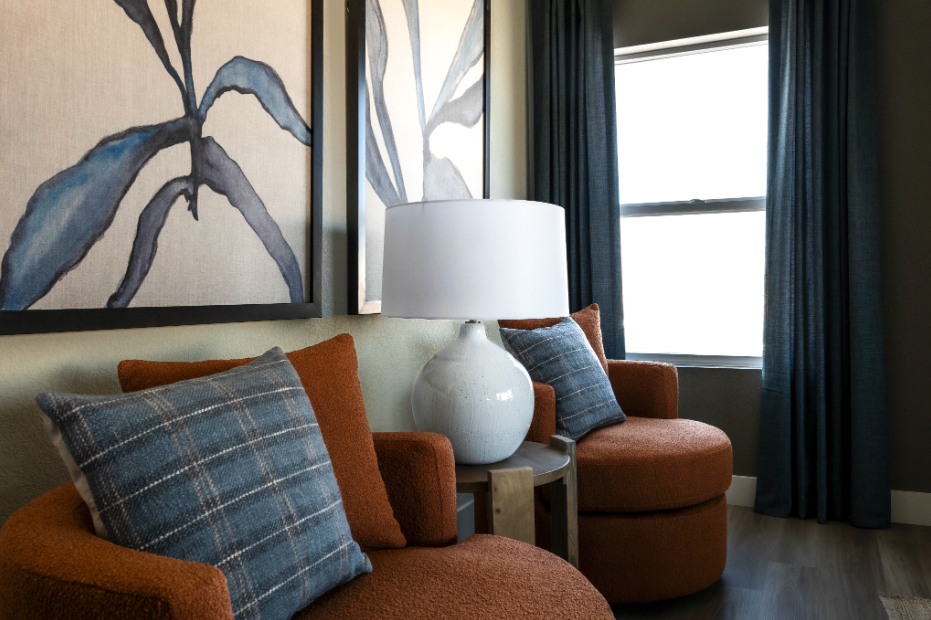
A collaborative design team from Lita Dirks & Co, led by Amy and supported by Kelly and Cally, stepped in and adapted. Selections were handled efficiently within the constraints of the timeline. The team understood that real-world production schedules are rarely ideal and that the priority was getting a finished, sales-ready model in place. They treated the work as a shared responsibility and delivered.
Builders in this situation often know the outcome hinges on partners who can move quickly without sacrificing quality. In this case, Challenger Homes had confidence the work would get done on time. That reliability allowed the model to open and begin supporting sales efforts in the community.
This kind of partnership matters for several reasons:
- Speed when it counts.
Compressed timelines are common when inventory needs to move or when market conditions shift. Partners who can organize a team, make decisions under constraints, and execute in weeks rather than months help builders stay on schedule.
- Adaptability in tough markets.
Even when a model wasn’t part of the original plan, having a responsive team made it possible to pivot and create a strong sales tool.
- Shared ownership of the outcome.
The most effective partners understand the broader goal of getting homes sold and work as an extension of the builder’s team rather than a vendor waiting for perfect conditions.

Model homes succeed when design and finishes come together as a cohesive experience under real production pressures. When timelines are tight, the difference is having a team that already operates collaboratively and knows how to adapt. Challenger Homes saw that in the Wolf Ranch project. Builders facing similar pressures can look for the same combination of responsiveness, design coordination, and execution reliability.
If you’re planning model homes or evaluating partners who can step in when schedules compress, the right collaboration can turn a tight timeline into a sales advantage rather than a bottleneck.