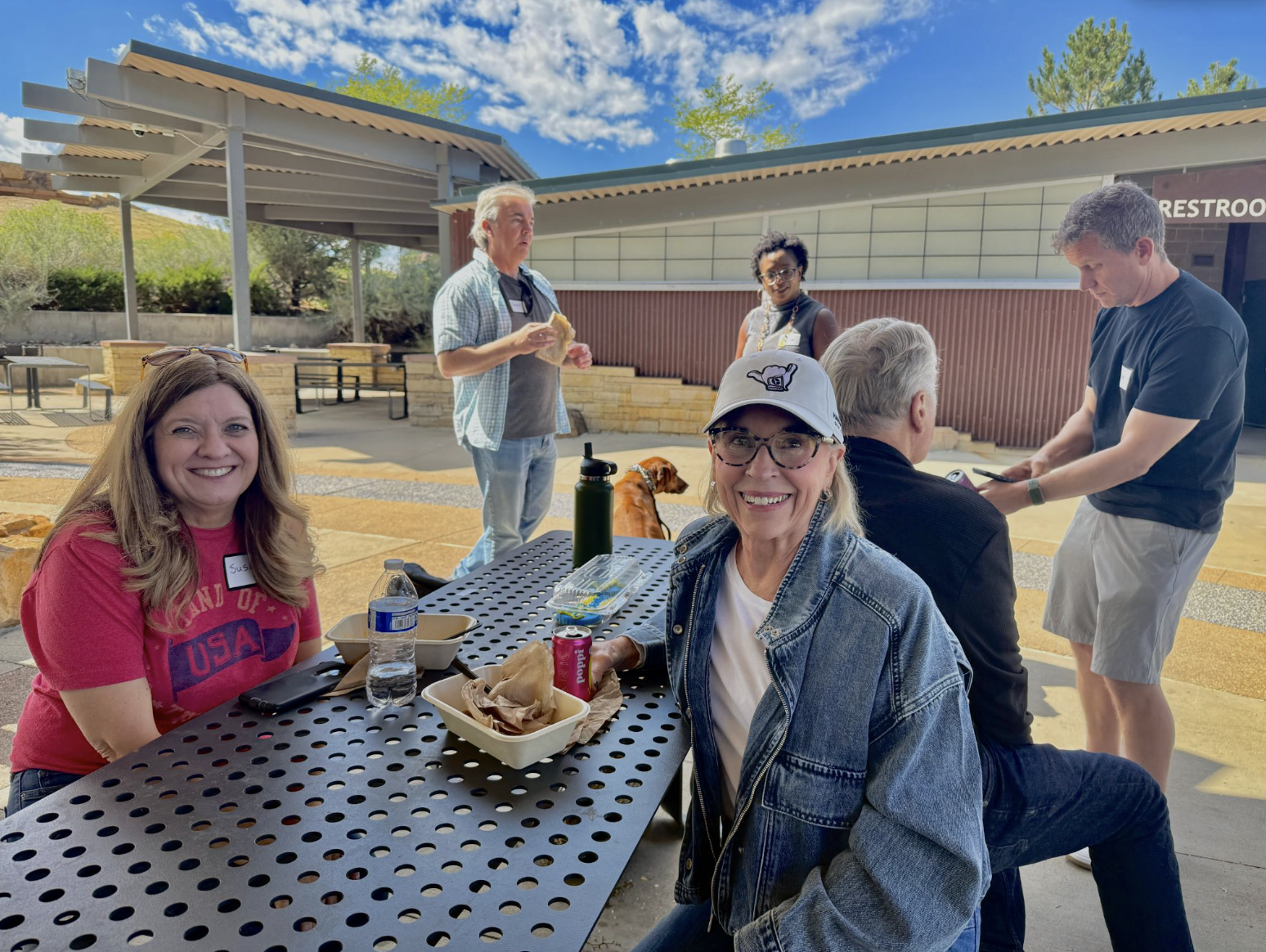
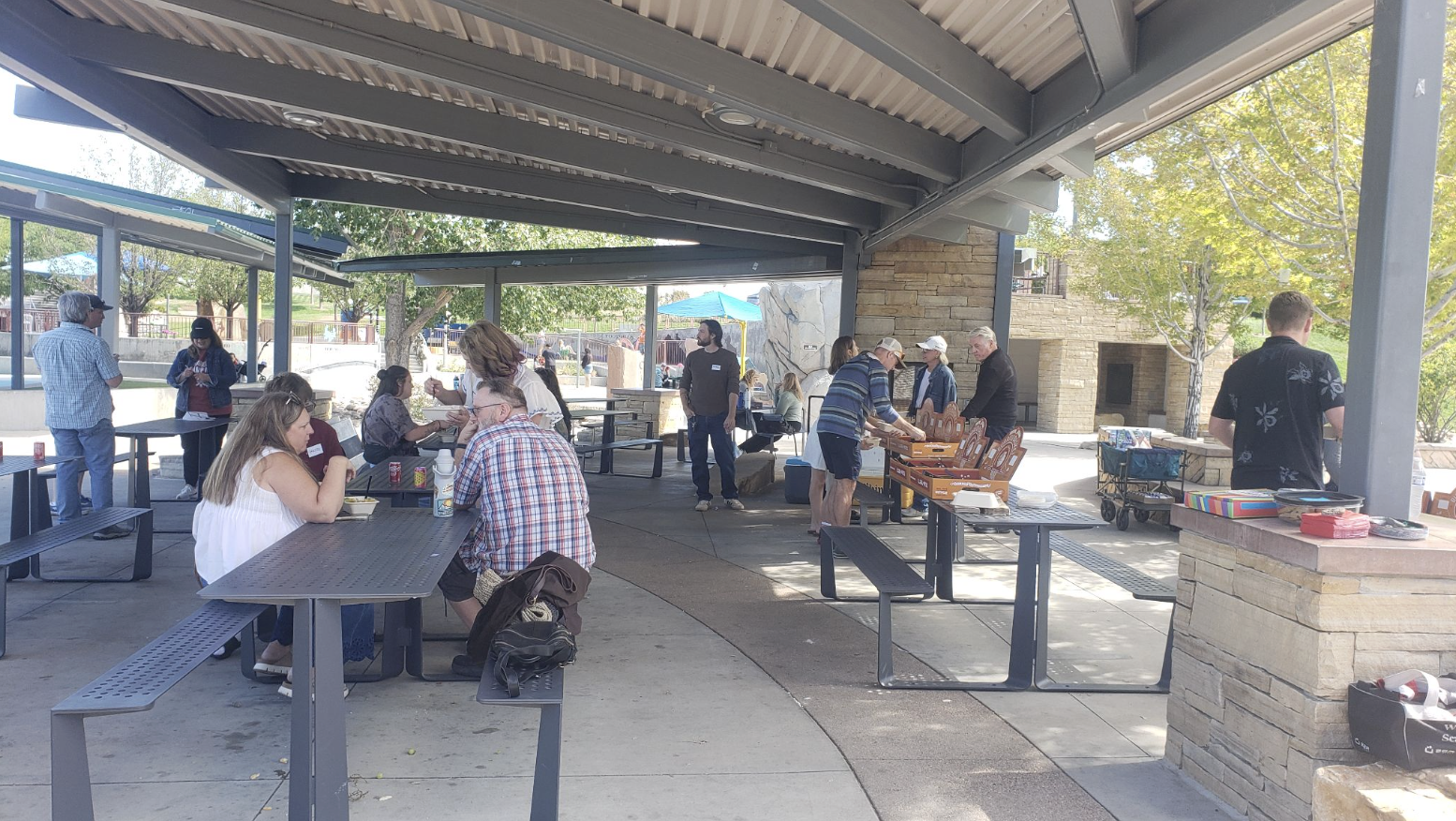
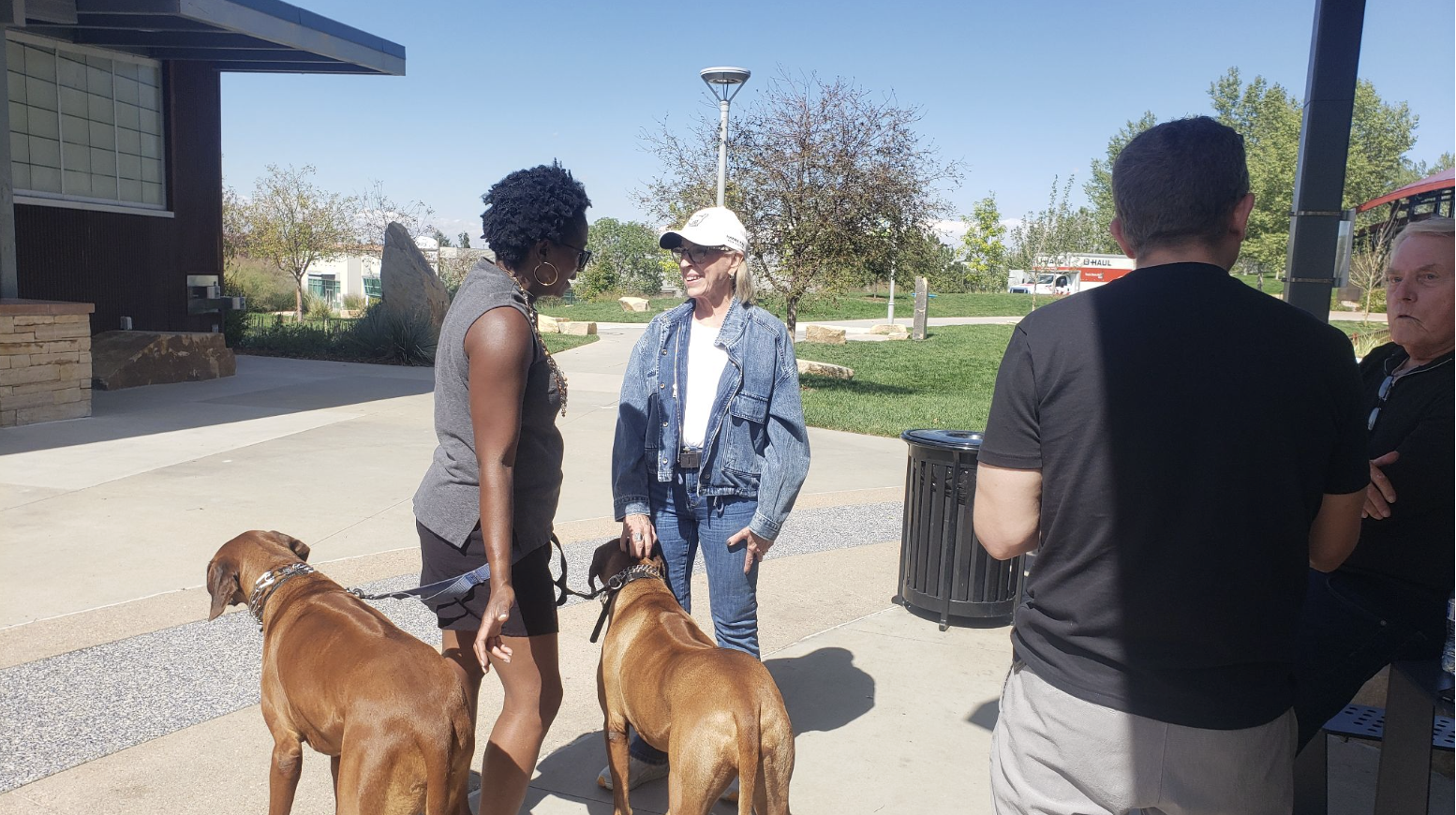
Last month, Lita Dirks & Co. set aside the usual workweek and hosted a family picnic. Employees brought spouses, partners, kids, and other family members for an afternoon of food, games, and conversation. No client calls or project updates. Just time together.
That choice signals something important. People do their best work when they feel seen as whole humans, not only as roles on an org chart. Celebrating employees and the people who support them at home builds loyalty, energy, and long-term excellence.
Why including families works
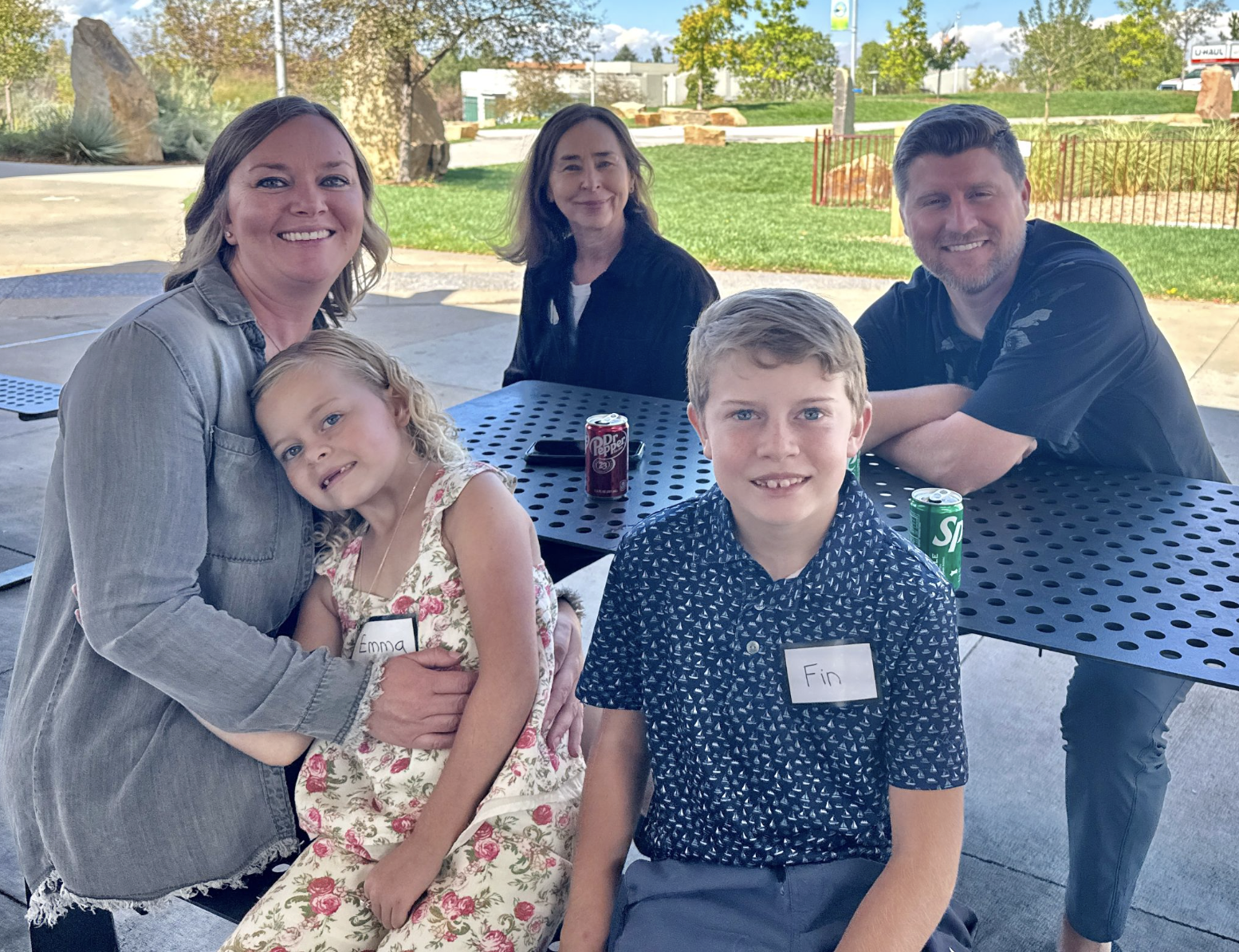
Recognition lands differently when it includes the people who make an employee’s life possible. When families are invited, several things happen:
- Employees feel their full life is valued, not just their output.
- Families gain a clearer sense of the company, which strengthens the employee’s connection to the work.
- The team builds informal relationships that make collaboration easier and more human.
A Sunday event keeps the barrier low. Weekday gatherings compete with school, sports, and other commitments. A weekend picnic shows the company is willing to protect its own calendar so families can protect theirs.
What the afternoon looked like
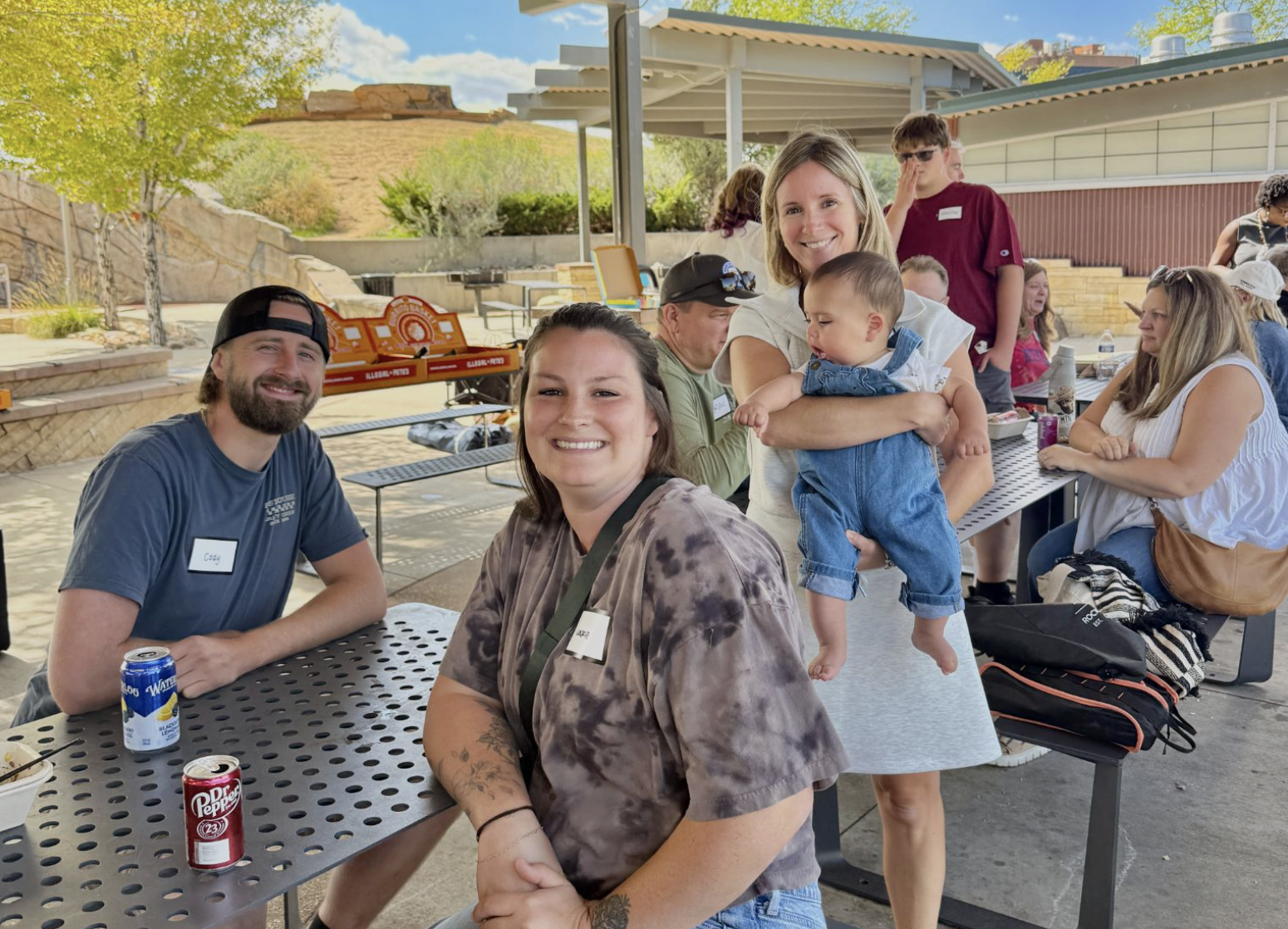
The picnic stayed casual. Shared food, lawn games, and open time for people to talk across departments and generations. Kids played. Adults compared notes on weekend plans. Leadership showed up as hosts rather than managers. The goal was connection, not content.
These events do not need elaborate production. They need a clear invitation that families are welcome, a relaxed setting, and enough space for people to simply be together. When those pieces are in place, the return is usually higher engagement, stronger retention, and a culture people are proud to describe to the people they love.
The practical payoff
One picnic does not define a culture, but it reinforces it. The real measure is what follows: whether leaders continue to protect time for people and whether the company keeps creating low-pressure moments that include the people who matter most to the team.
If your organization is considering its own family event, start simple. Choose a day that respects family schedules, invite the full household, and focus on connection. Then listen. The conversations that follow will tell you more about your culture than any survey.
Lita Dirks & Co.’s Sunday picnic was a reminder that the strongest teams are built by people who feel supported in every part of their lives. That is worth celebrating.