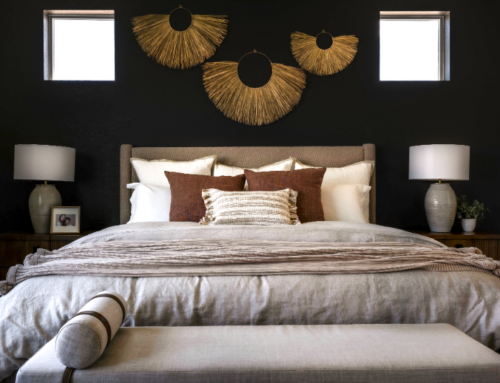
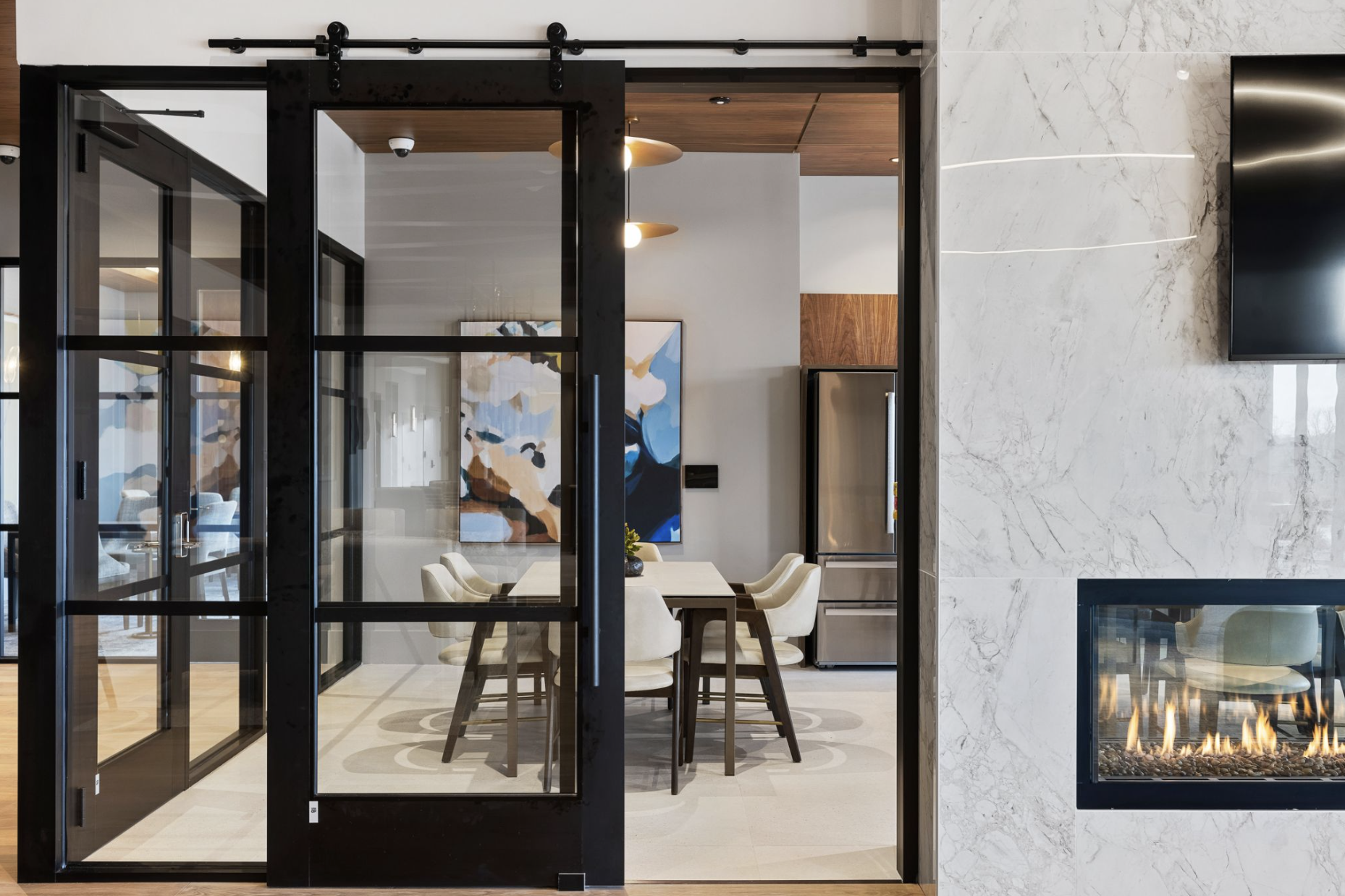
When it comes to creating exceptional homes, timing and intentional planning are everything. One of the most critical and often overlooked aspects of homebuilding is the early involvement of an interior designer. For new home builders and developers, engaging your design team from the very beginning of the planning cycle can transform your 2027 projects, leading to smoother processes, faster timelines, stronger market positioning, and outstanding results.
The Power of Valued Partnerships: Architect and Interior Designer
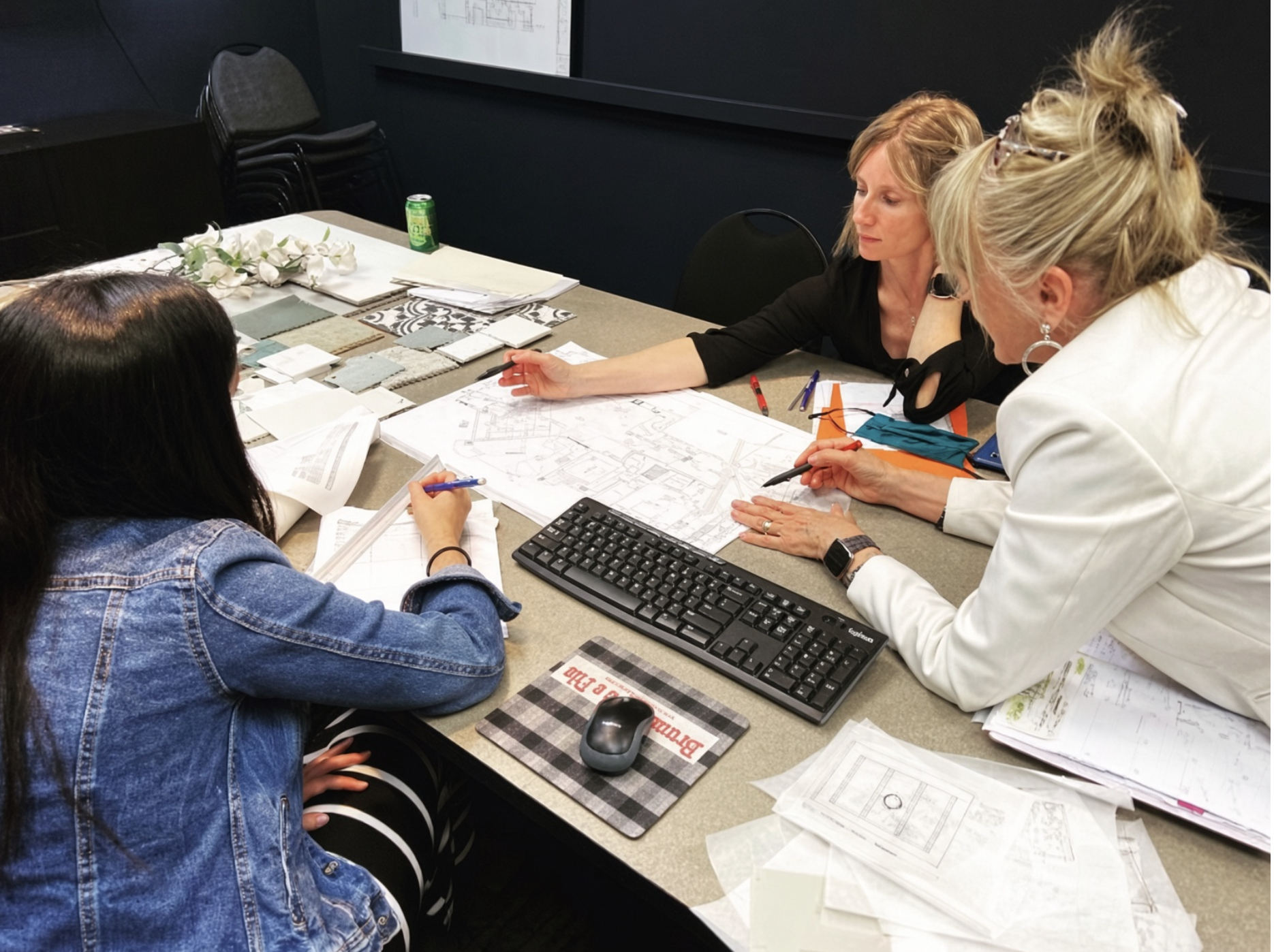
One of the most successful approaches in the homebuilding industry is when architects and interior designers collaborate hand-in-hand from the beginning of a project. This is not just about aesthetics. It is about creating a cohesive vision that supports both design excellence and operational efficiency. The interior designer brings deep insights into how people live, move, and interact with spaces, while the architect shapes the structure that brings those ideas to life.
When these disciplines align early in the 2027 planning process, the team can anticipate challenges, streamline decision-making, and deliver homes that feel both beautiful and functional. The result is stronger differentiation in the market and deeper resonance with buyers.
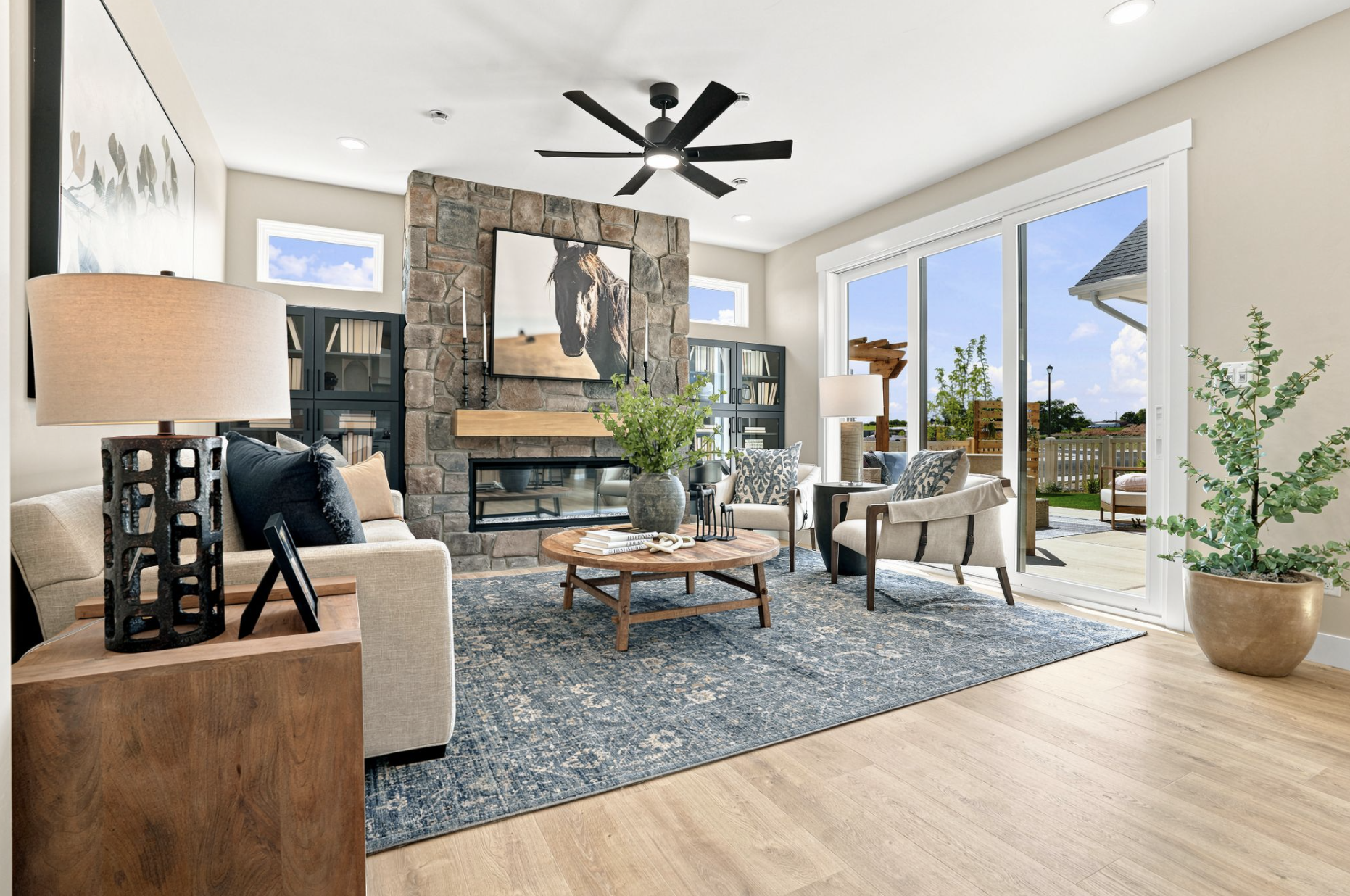
The Key to Efficiency: Shortening the Design Timeline
Involving an interior designer early in planning stages can meaningfully shorten the overall design and delivery timeline. Waiting until architectural plans are largely finalized often creates downstream delays. These include revisions, adjustments, and even structural changes once interior elements are considered.
Incorporating design insights from the start reduces costly rework, creates a more streamlined product, and accelerates the path to market. Time saved supports faster project turnover and greater agility in a competitive environment. These advantages compound when you’re planning a full year of work.
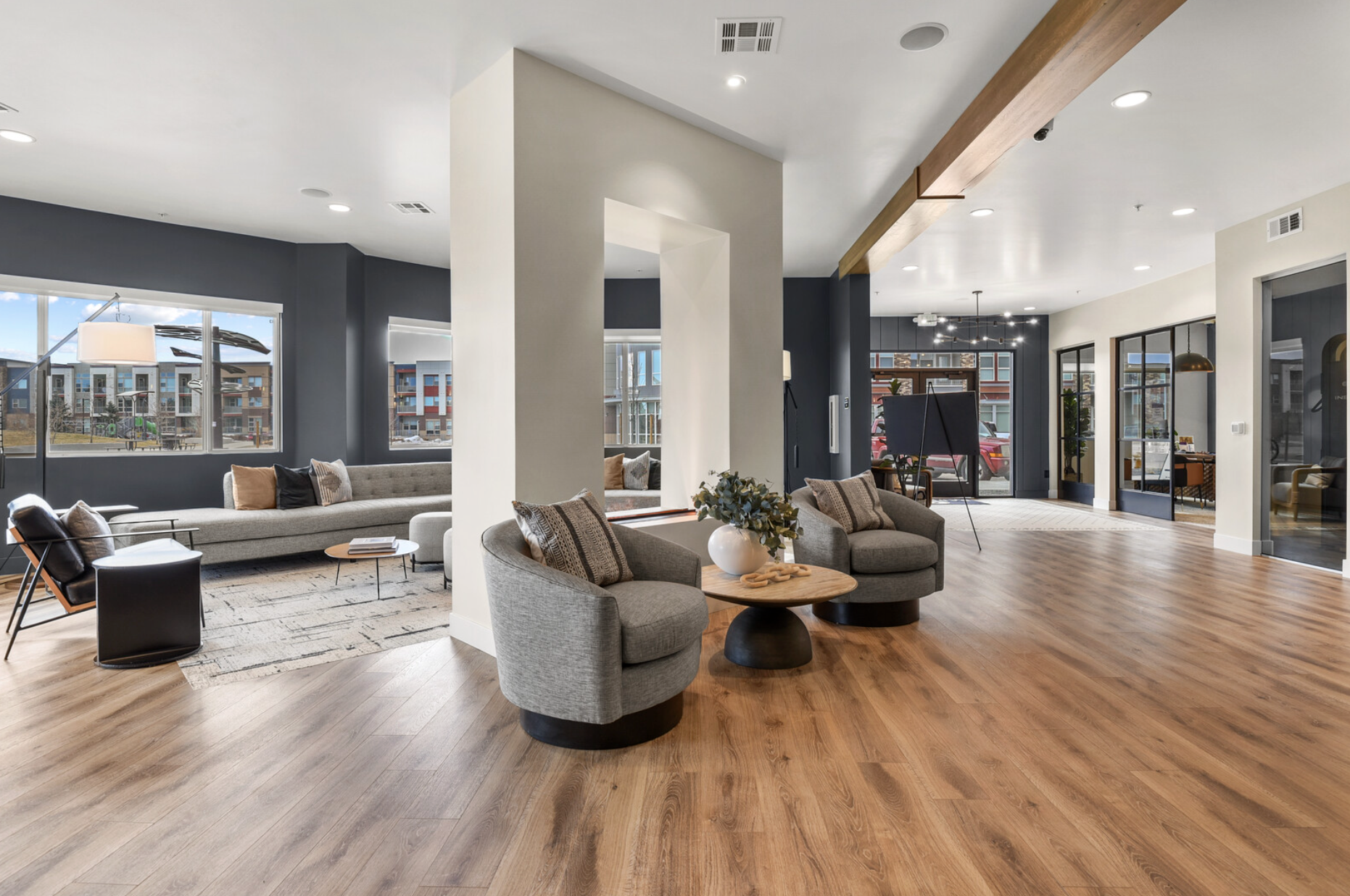
Boosting Success: Communities, Amenities, and Model Homes
The best-performing communities deliver a memorable experience from the entrance through amenities and into the model homes. Early designer involvement improves this end-to-end experience. Programmed spaces that prioritize flexibility, paired with the look and feel of amenities and the overall community narrative, can be fine-tuned to align with buyer expectations.
This is especially powerful for model homes, which remain primary sales tools. Designer input from day one helps models showcase the best aspects of the floor plan while helping buyers visualize how the space can actually be lived in. That emotional connection drives interest and conversions.
Why Planning Now Positions You for a Stronger 2027
As 2026 winds down, the window for thoughtful 2027 planning is open. Families are reflecting on the year ahead, and the idea of a new home becomes more concrete. This is a critical moment to lock in design elements, fully integrate your interior designer with your architect and project teams, and set clear priorities for the projects that will define next year.
Giving your design team more runway to collaborate with architects improves the quality of the final product and reduces friction during execution. Whether you’re designing entire communities, refining amenities, or perfecting model homes, early partnership supports both near-term efficiency and longer-term market strength.
Early collaboration enhances the final product, streamlines processes, and positions your 2027 projects for faster timelines and stronger results. Begin the partnership now, while you’re still in the planning phase, and give your teams the foundation to deliver excellence throughout the year ahead.